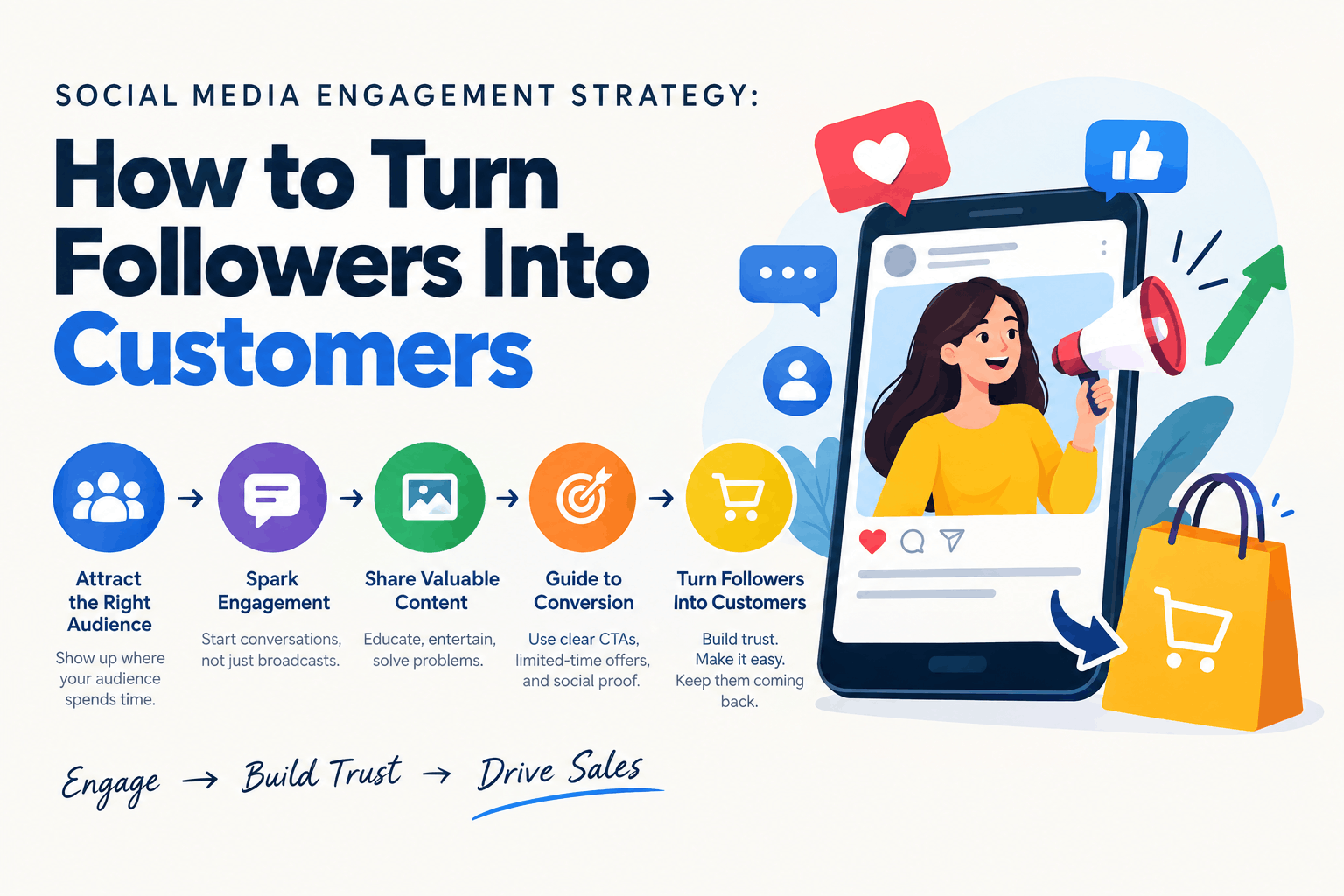
Facebook vs Instagram for Small Business Which Platform Should You Use?
You only have so many hours for social media. So where should a small business spend them? The Facebook vs Instagram for business debate trips up a lot of owners, and the answer is not always one or the other.
Both apps belong to Meta, yet they reach different people in different ways. This guide breaks down the strengths of each, so you can pick the right fit for your Bakersfield or Calgary business.
We will look at audience, content, ads, and sales on each app. By the end, you will know where to focus your time and your budget.
Facebook Audience and Features
Facebook is still the largest social network in the world. Its audience skews a little older, which suits businesses that serve adults aged 30 and up.
The platform shines for local communities. Groups, Events, and Marketplace help you reach nearby customers and build a loyal following.
Facebook Pages also act like a mini website. Your hours, phone, and services sit in one place that is easy to share and find in search.
It also handles details well. You can post long updates, share links, collect reviews, and answer questions right on your page.
For a local shop in Bakersfield or Kern County, that reach matters. Many adults still check Facebook first to find hours, deals, and reviews.
Instagram Audience and Features
Instagram is where visual brands thrive. Its audience leans younger, with lots of users between 18 and 34.
The app is built around images and short video. Reels and Stories give small accounts a real shot at fresh reach every week.
It is also where trends move fast. A single Reel that lands can reach far more people than your follower count alone.
It rewards a strong look. If your product or space is photogenic, Instagram helps it shine to a scrolling audience.
Hashtags and location tags add reach. Tag your city or neighborhood, and nearby buyers can find you while they browse.
Content Differences
The two apps ask for different content. Facebook welcomes text, links, and a mix of media, while Instagram is visual first.
Links also work differently. You can share clickable links freely on Facebook, but Instagram keeps most links in your bio or Stories.
The good news is content can be reused. A short video can become a Reel, a Story, and a Facebook post with small tweaks.
Here is a quick side-by-side to help you choose.
| Factor | | |
| Main audience | Adults 30 and up | Users 18 to 34 |
| Content style | Text, links, mixed media | Photos, Reels, Stories |
| Best for | Local community and service | Visual products and brand |
| Clickable links | Yes, in posts | Mostly bio and Stories |
Advertising Differences
Good news here: both apps share one ad system. You run Facebook or Instagram marketing from the same Meta Ads Manager.
That means you can start on one app and expand easily. Facebook ads often win on detailed targeting and conversions.
Instagram ads tend to win on attention. A crisp photo or Reel can stop the scroll and build quick brand awareness.
The best part is you can test cheaply. Start with a small daily budget on one app, then put more behind the ads that work.
Lead Generation
Both apps can fill your pipeline with leads. The right pick depends on how your customers like to connect.
Facebook offers lead forms, Groups, and Messenger chats. These suit service businesses that need a quote or a booking.
Instagram leans on direct messages and Stories. A quick DM or a link sticker can turn a casual viewer into a real lead.
Think about your own sales habits. If you take calls and quotes, Facebook may fit best, while a visual shop may close more in the DMs.
Ecommerce Opportunities
If you sell products, both apps can act as a storefront. Meta Shops lets you list items on either one.
Instagram makes shopping feel natural. You can tag products in posts and Reels, so buyers tap straight from the image.
Facebook adds reach and trust. Marketplace and your shop tab help local buyers find and vet your products.
Either way, keep checkout simple. Fewer taps from photo to payment means more sales and fewer carts left behind.
When to Use Both
For many small businesses, the smart move is both. You reach a wider mix of ages without doubling your workload.
Meta Business Suite ties them together. You can write once, then post and schedule to both apps from a single dashboard.
A simple funnel works well too. Catch attention on Instagram, then retarget and close the sale through Facebook.
If running both feels like too much, you are not alone. A digital marketing agency can plan, post, and manage both apps so you can focus on your business.
Start small and stay consistent. Two or three strong posts a week on each app beats a daily rush that burns you out.
Conclusion: Which Platform Wins?
There is no single best social platform for small business. The winner is the one where your customers already spend their time.
Serve a local, older crowd? Lead with Facebook. Sell a visual product to younger buyers? Lead with Instagram. Often, a blend of both is best.
Whatever you choose, show up with a plan. Clear goals and steady posting will always beat jumping between apps with no strategy.
Not sure where to start? Our team at Cali Web Studios can build your plan. Explore our digital marketing services and let us grow your reach on both apps.
Subscription Subscribe to our newsletter and receive a selection of cool articles every weeks
We Bring You the
Digital Solutions You Need
Let’s build something bold, brilliant, and uniquely yours. Whether you need a website, an app, or an entire brand ecosystem, we’re ready to make it happen.
request a quote Let's Chat
Feel free to contact us.